
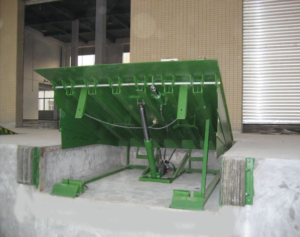
Efficient logistics operations rely heavily on smooth loading and unloading processes. Dock levellers play a critical role in bridging the gap between the dock and transport vehicles. Over time, wear and tear can affect their performance, making dock leveller repairs an essential part of facility maintenance. Cost-effective strategies not only reduce downtime but also extend the life of these vital components.
Regular Inspections To Prevent Major Damage
Dock leveller repairs begin with proactive inspections. Scheduled checks identify minor issues before they become costly problems. Look for worn edges, hydraulic leaks, or rusted hinges. Even small cracks can escalate if ignored. Regular inspections allow logistics managers to plan repairs during low-traffic hours, reducing operational disruptions and repair costs. Prioritizing preventive maintenance ensures dock leveller repairs remain manageable and affordable.
Using Durable Materials for Dock Leveller Repairs
When parts need replacement, opting for durable, high-quality materials saves money in the long run. Components like lip plates, hinges, and hydraulic hoses are prone to wear. Cheaper materials may seem budget-friendly initially but often fail quickly, increasing repair frequency. Investing in long-lasting parts reduces the number of dock leveller repairs over time and improves facility efficiency. Quality materials are a cost-effective strategy that pays off with fewer interruptions.
Training Staff For Minor Repairs
Training on-site staff to handle minor dock leveller repairs can save significant costs. Simple adjustments, lubrication, or tightening bolts often do not require specialized technicians. Empowering staff with basic repair knowledge ensures small issues are addressed immediately, preventing larger failures. This approach reduces emergency service calls and minimizes downtime, making dock leveller repairs more budget-conscious and efficient.
Scheduled Maintenance Contracts With Professionals
Partnering with professional service providers on scheduled maintenance contracts is another cost-saving strategy. Contractors can perform regular dock leveller repairs and inspections at predictable rates. These agreements often include priority service and parts replacement discounts. By planning maintenance proactively rather than reacting to breakdowns, facilities avoid expensive emergency repairs. Professional partnerships streamline operations and keep repair costs under control.
Implementing Safety Protocols To Reduce Wear
Dock leveller repairs are influenced by how equipment is used daily. Enforcing safety protocols, such as correct truck positioning and weight limits, reduces unnecessary stress on levellers. Proper training for forklift operators and dock staff ensures equipment is handled correctly. Minimizing abuse extends the life of the dock leveller and reduces the frequency of repairs. A safe and disciplined environment is an indirect but highly effective cost-saving strategy.
Monitoring Equipment Performance With Technology
Modern logistics facilities can leverage technology to monitor dock leveller performance. Sensors can detect irregular movement, hydraulic pressure drops, or unusual vibrations. Early alerts allow maintenance teams to schedule dock leveller repairs before minor faults escalate. Integrating technology with routine inspections enhances efficiency, reduces downtime, and ensures repairs are timely and cost-effective.
Conclusion
Cost-effective dock leveller repairs require a combination of preventive care, staff training, quality parts, professional support, and technology. Facilities that implement these strategies experience fewer breakdowns, smoother operations, and significant savings over time. By addressing maintenance proactively, logistics managers can protect both equipment and budgets, ensuring dock levellers continue to operate reliably and efficiently.