
In today’s competitive industrial landscape, maximizing production efficiency is the key to long-term success and growth. When your facility operates at its peak potential, you reduce waste, lower operational costs, and deliver higher-quality products to your customers.
Achieving this balance requires a strategic approach that integrates optimized workflows, advanced materials, and rigorous maintenance.
By focusing on process refinement, you can turn your manufacturing floor into a highly productive hub. Implementing these tips will help you streamline your operations, maintain consistency, and ensure that your industry remains at the forefront of innovation and reliability.
Leveraging Versatile Aluminum Extrusions for Improved Manufacturing
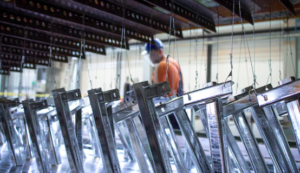
Efficiency often begins with the choice of materials and structural components. Utilizing high-quality aluminum extrusions in your assembly lines and product designs offers incredible versatility and weight advantages.
Because this material can be shaped into complex cross-sections, it allows for streamlined product designs that are easier to manufacture and assemble.
By incorporating these components into your systems, you reduce the need for complicated fabrication steps, which accelerates the entire production cycle.
Furthermore, the lightweight nature of these extrusions simplifies handling on the factory floor, minimizing the physical strain on your staff and significantly reducing the time required for structural assembly.
Enhancing Equipment Longevity Through Proper Antifoulant Application
Industrial systems exposed to fluids or harsh environments often face efficiency losses due to buildup and contamination. Applying an effective antifoulant treatment to your pipes, heat exchangers, and processing tanks is a proven method to maintain peak performance.
This protective layer prevents the accumulation of unwanted deposits that can restrict flow and force your machinery to work harder than necessary.
When your systems remain free from internal blockages, energy consumption drops and the frequency of manual cleaning interventions decreases.
This proactive maintenance step is essential for sustaining a continuous, uninterrupted production flow, protecting your heavy machinery from premature wear and degradation.
Adopting Lean Methodology for Waste Reduction
Efficiency is largely about eliminating activities that do not add value to the final product. Implementing lean manufacturing principles allows you to identify bottlenecks and streamline every step of your production process.
Start by evaluating your floor layout to minimize movement and transport times. When materials and tools are positioned efficiently, staff can complete tasks faster and with less effort.
Reducing excess inventory and minimizing machine idle times are also critical steps in creating a lean environment that prioritizes speed and consistency across every department.
Investing in Automated Systems to Boost Precision
Human error is a significant contributor to production delays and product defects. By integrating automated systems, you can achieve a level of consistency that manual labor simply cannot replicate.
Whether it is automated sorting, precision cutting, or robotic packaging, these technologies work tirelessly to maintain high output rates.
Automating repetitive and hazardous tasks also improves safety on the floor, allowing your skilled employees to focus on more complex, value-added activities that require critical thinking and professional oversight.
Prioritizing Continuous Training and Skill Development
Your technology is only as effective as the team managing it. Investing in regular training programs ensures that your workforce remains proficient in the latest operational technologies and safety protocols.
Empowered employees who understand their machines are better equipped to handle minor troubleshooting tasks, preventing small issues from escalating into major downtime.
When your staff is skilled, motivated, and aligned with your efficiency goals, the entire facility operates with a higher sense of purpose and collective focus on output quality.