
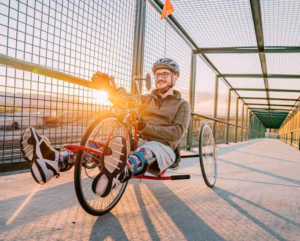
An adaptive sports facility is a place designed to help people with physical disabilities stay active, healthy, and confident. These facilities remove common barriers that prevent participation in physical activity and create a welcoming environment for everyone. By offering accessible spaces, trained staff, and specialized programs, an adaptive sports facility supports both physical and emotional well-being. It also helps individuals feel included and valued in their community.
Understanding Physical Disabilities and Access Needs
People with physical disabilities may face challenges such as limited mobility, muscle weakness, balance issues, or the use of assistive devices like wheelchairs or prosthetics. Standard sports facilities are often not designed to meet these needs. Narrow doorways, uneven floors, or inaccessible equipment can make participation difficult or unsafe. Adaptive sports facilities are planned with these challenges in mind, ensuring that users can move freely and safely within the space.
The Role of Adaptive Sports in Inclusive Physical Activity
Adaptive sports are modified forms of physical activities that allow people with disabilities to participate fully. These sports adjust rules, equipment, or environments so that everyone can take part based on their abilities. An adaptive sports facility provides the right setting for these activities offering accessible courts, pools, tracks, and fitness areas. This inclusive approach allows people to enjoy sports while improving strength, coordination, and endurance.
Accessible Design and Specialized Equipment
One of the most important features of an adaptive sports facility is its accessible design. Ramps, wide pathways, elevators, and accessible restrooms make movement easier and safer. Floors are often slip-resistant, and spaces are arranged to allow easy turning for wheelchairs. Specialized equipment such as hand cycles, wheelchair-friendly weight machines, and adjustable exercise tools help users exercise comfortably. This thoughtful design allows individuals to focus on their activity instead of worrying about physical barriers.
Professional Staff and Personalized Support
Trained staff play a key role in supporting people with physical disabilities. In an adaptive sports facility, coaches, trainers, and therapists understand different disabilities and know how to adapt activities safely. They provide guidance, encouragement, and personalized support based on each person’s abilities and goals. This professional help builds trust and ensures that participants feel confident and motivated during their activities.
Physical Health and Rehabilitation Benefits
Regular physical activity is important for maintaining good health, especially for people with physical disabilities. Adaptive sports facilities support rehabilitation helping individuals improve muscle strength, flexibility, and cardiovascular health. Exercise can also reduce pain, prevent secondary health conditions, and improve overall mobility. For many users, these facilities become an important part of their long-term health and recovery journey.
Emotional Well-Being and Confidence Building
Beyond physical benefits, adaptive sports facilities strongly support mental and emotional health. Participating in sports can reduce stress, anxiety, and feelings of isolation. When individuals achieve personal goals, even small ones, their confidence grows. Being active in a supportive environment helps people see their abilities rather than their limitations, which leads to a more positive self-image.
Community Connection and Social Inclusion
Adaptive sports facilities bring people together and create a sense of belonging. Participants meet others who share similar experiences and challenges, which helps build friendships and support networks. Group activities and events encourage teamwork and communication. This social connection is important for reducing loneliness and promoting inclusion within the wider community.
Conclusion
An adaptive sports facility plays a vital role in supporting people with physical disabilities providing accessible spaces, specialized equipment, and professional guidance. It promotes physical health, emotional well-being, and social connection in a safe and inclusive environment. By focusing on ability rather than limitation, these facilities empower individuals to stay active, build confidence, and enjoy a better quality of life.