
The growing prominence of artisan culture in the world of luxury design is reshaping how brands communicate value, exclusivity and identity. In this evolving landscape, handcrafted skill, cultural heritage and meaningful storytelling have become central to how consumers judge authenticity. As more people search for products with depth and character, the presence of artisan craftsmanship has moved from niche markets into the mainstream of high-end design. This shift can be seen in the rise of smaller craft-focused labels, collaborations with traditional makers and renewed interest in ethically sourced materials. The influence of this movement is becoming clear across fashion, jewellery and home décor, and even established luxury names like lily arkwright have begun to integrate artisan-inspired elements into more modern collections.
Artisan culture has gained traction because consumers increasingly value the emotional dimension of objects. Beyond aesthetics, many people want to know how something was made, who created it and what traditions lie behind it. This psychology reflects a larger trend toward mindful purchasing, where craftsmanship represents more than skill; it symbolizes connection. Luxury design is now expected to offer a sense of place and personal relevance. Products that reflect regional techniques or cultural narratives appeal to clients who view ownership as a form of participation in a broader artistic legacy.
In fashion, the impact of artisan practices is especially notable. Luxury houses have revived age-old techniques such as hand embroidery, weaving and natural dyeing, often partnering with craft communities that have preserved these methods for generations. By highlighting the human touch, brands reinforce the idea that genuine luxury cannot be mass-produced. This craftsmanship-led approach often results in pieces that feel distinctive, even when part of a seasonal collection. Consumers perceive value not only in design, but also in the hours of labor and mastery that shape each detail.
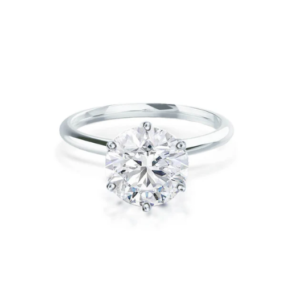
Jewellery design has also embraced artisan influence. Many contemporary jewellers incorporate hand-setting, bespoke metalwork or locally sourced gemstones into their pieces, elevating the sense of authenticity and individuality. The shift toward artisanal processes encourages transparency around sourcing and production, aligning luxury with ethical considerations. In a world where sustainability is more important than ever, this connection strengthens the appeal of artisan-driven jewellery.
Home décor and interior design reflect similar trends. From hand-thrown ceramics to custom-woven textiles, the emphasis on craftsmanship brings warmth and character to interior spaces. Designers are increasingly drawn to imperfections that arise naturally from handmade production, seeing them as a hallmark of sincerity rather than a flaw. This aesthetic counters the uniformity of industrial manufacturing and reinforces the value of human creativity.
Technology has also played a role in elevating artisan culture. Digital platforms make it easier for small craft studios to reach global audiences while maintaining traditional methods. Luxury brands have taken note, often integrating handcrafted elements into contemporary designs that resonate with younger consumers. This merging of tradition and innovation has created a hybrid space where artisan culture and modern luxury coexist.
Ultimately, the rising influence of artisan culture in luxury design represents a return to meaning, care and intentionality. As consumers seek deeper relationships with the objects they choose to bring into their lives, artisanship offers a compelling narrative rooted in skill and heritage. The future of luxury will continue to evolve, but it is clear that the human hand, and the stories it carries, will remain central to its identity.