
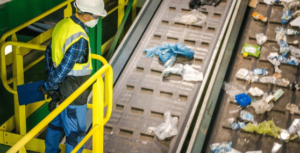
Construction, renovation, and large outdoor projects generate significant volumes of waste that must be managed systematically to keep work sites safe, efficient, and compliant with local regulations. Waste that accumulates without a management plan creates hazards, slows crew movement, and makes project completion more complicated than it needs to be. Establishing waste management systems before a project begins — not after the debris starts piling up — keeps every phase of the work organized and the site functional throughout.
Plan Waste Management Before the Project Starts
Waste management decisions made during project planning are far more effective than reactive solutions implemented mid-project. Estimating the volume and type of waste the project will generate helps determine the right container size, the number of pickups required, and whether any materials will require specialized disposal. Projects that involve mixed materials benefit from a sorting strategy established at the beginning that routes recyclable materials away from general waste and reduces the total disposal volume and cost.
Use Waste Management Dumpster Rental
For projects that generate significant debris volumes over extended timelines, renting a dedicated waste container provides a centralized disposal point that keeps the site organized and prevents accumulation of scattered debris. A waste management dumpster rental sized appropriately for the project scope eliminates the repeated trips to disposal facilities that smaller collection alternatives require. Placement of the container should be planned to allow convenient loading from work areas while maintaining clear site access for delivery vehicles, material staging, and emergency access.
Separate Materials for Recycling and Reuse
Responsible waste management goes beyond simply removing debris from a project site. Many materials generated during construction and renovation have recycling or reuse value that landfill disposal eliminates. Clean dimensional lumber can be donated or sold. Metals including copper, aluminum, and steel have scrap value that offsets disposal cost. Concrete and masonry materials can be crushed and recycled as base material for roads and foundations.
Maintain Clear Pathways and Staging Areas
Work site organization depends on maintaining clear pathways between work areas, material staging zones, equipment storage, and the waste collection area. Debris that spills into these pathways creates trip hazards, slows material movement, and impedes the workflow that project progress depends on. Assigning a brief end-of-day debris clearing task to each work crew prevents accumulation from building into a safety problem overnight.
Comply With Local Disposal Regulations
Construction and renovation waste is subject to disposal regulations that vary jurisdiction and material type. Hazardous materials including asbestos, lead paint, treated wood, and certain adhesives and sealants require separate handling and disposal through licensed facilities — mixing them with general construction waste creates regulatory violations that carry significant penalties. Obtaining necessary waste disposal permits where required, using licensed haulers for regulated materials, and documenting disposal of hazardous components protects the project owner from liability that improper disposal creates long after the project is complete.
Conclusion
Proper waste management throughout a project keeps work sites safer, more organized, and more compliant than reactive approaches manage. Planning ahead, using appropriate collection infrastructure, separating recyclable materials, maintaining clear pathways, and following disposal regulations together create projects that run more smoothly from start to finish.